
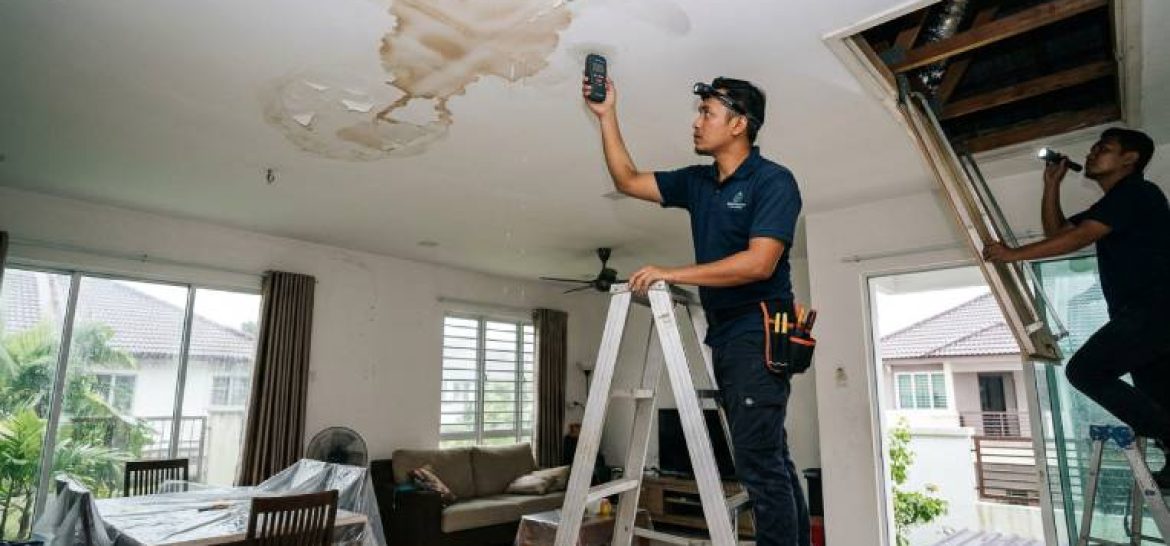
You notice a brown stain spreading across the ceiling after heavy rain, but when you look at the roof from outside, nothing appears broken. There are no obviously missing tiles, large holes or major signs of damage.
So where is the water coming from?
Roof leaks are not always easy to spot from the ground. Water can enter through very small gaps, damaged flashing, ageing waterproofing or hidden cracks before travelling underneath the roofing system and appearing somewhere else inside the house.
For homeowners searching for Roof repair KL, understanding these hidden causes can help you identify the problem earlier and avoid repeatedly repairing the wrong area.
Why a Roof Can Leak Without Visible Damage
A roof does not need a large hole to allow water inside.
Rainwater can enter through openings that are difficult to see during a basic visual inspection. Even a small defect may become a leakage point during prolonged or heavy rainfall.
Another reason roof leaks are confusing is that water does not always travel straight down. Once it passes through the outer roofing layer, it can move along rafters, concrete surfaces, joints or other materials before reaching the ceiling.
This means the visible ceiling stain may be several metres away from the actual source of the leak.
A professional roofing inspection and repair service can help identify where the water is entering before repair work begins.
Damaged or Displaced Roof Tiles
Roof tiles may look normal from a distance while still having small cracks, gaps or alignment problems.
Strong weather, ageing materials and previous maintenance work can cause individual tiles to shift slightly. A small opening may be enough for wind-driven rain to enter underneath the roofing system.
Some tile damage can also occur on the underside or along overlapping sections, making it difficult to identify without closer inspection.
If the problem is limited to several tiles, it may be possible to repair roof leak damage by replacing or repositioning the affected materials rather than carrying out extensive roofing work.
Flashing Can Be the Hidden Source of the Leak
Flashing is installed around vulnerable roof areas to help direct water away from joints and openings.
You may find flashing around:
- Roof edges
- Valleys
- Wall-to-roof connections
- Ventilation openings
- Pipes passing through the roof
- Other roof penetrations
Over time, flashing can loosen, corrode or develop gaps around its edges. From the ground, the roof may still appear perfectly normal.
During rainfall, however, water can enter through these small gaps and move underneath the roof before appearing as a ceiling leak.
This is why simply patching the area directly above the water stain may not solve the problem.
Waterproofing May Have Started to Deteriorate
Waterproofing layers are another part of the roofing system that cannot always be seen from outside.
Exposure to heat, UV radiation, moisture and changing weather conditions can gradually affect waterproofing materials. Small cracks or deteriorated sections may eventually allow water to penetrate the surface.
Flat concrete roofs, roof decks and certain joints may be particularly dependent on an effective waterproofing layer to prevent water seepage.
If the roofing material itself remains in reasonable condition but the protective layer has weakened, professional waterproofing solutions may be considered after identifying the source of the leakage.
The correct treatment depends on the roof material and the condition of the affected area.
Small Concrete Cracks Can Allow Water Seepage
For concrete roofing areas, water may sometimes enter through cracks that are too small to notice easily.
During repeated rainfall, moisture can penetrate these openings and gradually make its way through the concrete. The first obvious sign inside the property may simply be a damp ceiling, peeling paint or a growing water stain.
When Could PU Injection Be Considered?
For certain cracks and water seepage problems in concrete structures, PU injection may be one possible treatment.
The material is injected into suitable cracks and gaps to help form a seal against water penetration.
However, not every ceiling leak requires PU injection. The source should first be inspected to determine whether the problem comes from concrete cracking, the roofing system, waterproofing or another area.
Water May Be Entering Through Roof Joints
Roofing systems contain many connection points.
Sections where different materials meet can become vulnerable as the building and roofing materials experience heat, rain and natural movement over time.
Sealants may deteriorate, joints can open slightly and small gaps can develop.
These defects may not look serious during dry weather. During heavy rain, however, water can be pushed into the opening and eventually reach the ceiling below.
For effective Roof repair KL, these joints should be checked as part of the overall inspection rather than focusing only on visibly damaged roofing materials.
Blocked Gutters Can Also Cause Ceiling Leaks
Sometimes the problem is not the main roof surface at all.
Leaves, dirt and other debris can restrict the flow of rainwater through gutters. During heavy rain, water may overflow or back up towards roof edges and surrounding structures.
If vulnerable joints or gaps are nearby, water can enter areas that normally remain dry.
Signs of gutter-related problems may include:
- Water overflowing during rain
- Staining around roof edges
- Damp exterior walls
- Water marks near the ceiling perimeter
- Sagging or damaged gutter sections
Keeping the drainage system clear can therefore be an important part of preventing recurring roof leaks.
Is Roof Coating the Answer?
Roof coating can provide additional surface protection for certain roofing systems, but it should not automatically be applied whenever a ceiling leak appears.
Before using a roof coating solution, the underlying cause should be identified.
If the leak comes from broken tiles, damaged flashing or a large opening, these defects still need to be repaired. Applying coating over an unresolved roofing problem may only hide the issue temporarily.
Roof coating is more appropriate when the roof condition and material are suitable and the required repair work has already been addressed.
Why the Ceiling Stain Is Not Always the Leak Location
One of the most common mistakes when trying to repair roof leak problems is assuming the leak is directly above the ceiling stain.
Imagine rainwater entering near a roof joint. Instead of falling immediately onto the ceiling, it travels along a roof component before reaching a lower point. It then drips onto the ceiling several metres away.
Repairing the area above the stain would not stop the original entry point.
A proper inspection may therefore involve checking the roof surface, flashing, waterproofing, joints, gutters and surrounding areas to trace the likely path of the water.
Watch for Other Signs of a Hidden Roof Leak
A dripping ceiling is not the only warning sign.
Hidden leakage may first appear as:
- Yellow or brown ceiling stains
- Peeling or bubbling paint
- Damp patches on upper walls
- Musty smells
- Mould around ceiling areas
- Paint deterioration after rainfall
- Water marks that gradually become larger
If these problems repeatedly appear after rain, it is worth investigating even if the roof looks normal from outside.
Early Roof repair KL can help prevent a small leakage point from affecting a larger section of the property.
Do Not Keep Patching the Visible Ceiling
Repainting a ceiling can hide the stain, but it does not solve the source of the water.
Similarly, applying sealant randomly to different roof areas may not provide a lasting repair if the actual entry point has not been identified.
The better approach is to determine:
- Where the water is entering
- How it is travelling through the roofing system
- Which roofing component has failed
- What repair method is appropriate for that particular problem
Once the underlying cause is addressed, damaged ceiling surfaces can then be repaired or repainted.
Get the Roof Checked Before the Leak Gets Worse
A roof can appear perfectly fine while still allowing water into your property. Hidden cracks, damaged flashing, ageing waterproofing, roof joints and drainage problems can all cause ceiling leaks without producing an obvious hole in the roof.
If you need to repair roof leak problems, avoid relying only on what can be seen from the ground. A detailed inspection can help locate the actual source and determine whether roofing repair, waterproofing, PU injection, coating or another treatment is appropriate.
For professional Roof repair KL, contact KL Roofing Services to arrange an inspection and identify the source of your ceiling leakage.